
In This Article
Homeowners spend a lot of attention on their furnace itself, and almost none on the gaps and cracks that let the heat it produces leak right back outside. Air sealing is unglamorous, but it’s one of the highest-return investments you can make before a Denver winter — and most of it is a weekend project, not a contractor job.
⚡ Quick Answer: Air Sealing Priorities
Where Heat Actually Escapes (It’s Not Where You Think)
Most people assume windows are the main culprit for heat loss. Windows do matter, but building science research consistently shows the attic and ceiling plane is the biggest source of air leakage in most homes — specifically the gaps around recessed lighting fixtures, the attic access hatch, plumbing and wiring chases that run from the living space into the attic, and the top plates of interior walls. Warm air rises, and it escapes through dozens of small penetrations you’d never notice without looking specifically for them.
After the attic, the next biggest contributors are typically the rim joist area (where your foundation meets the framing, often in the basement), gaps around exterior door and window frames, and any exterior penetrations for dryer vents, exhaust fans, or cable/utility lines.
How to Find Leaks in Your Own Home
You don’t need professional equipment to find the biggest offenders. Here’s a simple process:
- The hand test: On a cold or windy day, run your hand slowly around the perimeter of windows, exterior doors, electrical outlets on exterior walls, and your attic hatch. Air movement you can feel is a leak worth sealing.
- The incense/smoke test: Light incense near suspected leak points with exterior doors closed and any exhaust fans running. Smoke that moves sideways rather than straight up indicates airflow.
- The visual attic check: On a cold morning, look at your attic insulation from the hatch (safely, without walking on it outside of joists). Areas with thin or compressed insulation around penetrations are where warm, moist air has been leaking up and melting any frost that formed overnight.
Fixes Ranked by Return on a Weekend’s Effort
1. Seal the Attic Hatch (Highest Priority)
Most attic access hatches are nothing more than a piece of plywood resting in an opening — completely unsealed. A weatherstripped, insulated attic hatch cover kit costs $15-$30 and takes 20 minutes to install. This single fix often has the best return of anything on this list.
2. Seal Around Recessed Lights and Attic Penetrations
If you’re comfortable safely accessing your attic, use fire-rated spray foam or caulk around any wiring, plumbing, or duct penetrations through the attic floor. For older, non-IC-rated recessed lights, covering them requires specific airtight covers (standard insulation can’t directly contact older fixtures due to fire risk) — this is a case where a professional energy auditor can help if you’re unsure what you’re dealing with.
3. Weatherstrip Doors and Windows
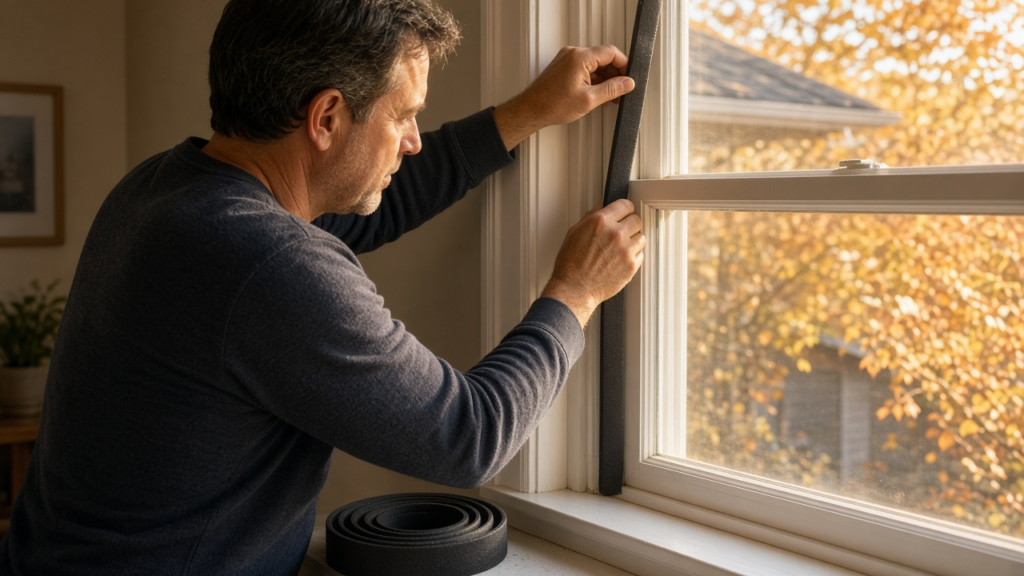
Classic, cheap, effective. Foam or V-strip weatherstripping around door and window frames, plus a door sweep on exterior doors, closes gaps you can usually feel with your hand. Total cost for a typical home: $30-$60 in materials for a full weekend project.
4. Caulk the Rim Joist Area
In an unfinished basement, the rim joist (where the foundation wall meets the floor framing above) is often a significant, overlooked leak source. Caulk or foam any visible gaps where you can see daylight or feel drafts along this band.
5. Consider a Professional Energy Audit
If you’ve done the DIY items and still feel drafts or have unexplained high heating bills, a professional blower-door-test energy audit ($200-$400) pressurizes your home and uses thermal imaging to pinpoint leaks you’d never find by hand. Many Xcel Energy customers qualify for a subsidized or free Home Energy Squad visit — worth checking before paying full price.
Why This Matters More in Denver
Denver’s combination of cold winters, intense winter sun, and a notably windy climate (especially along the foothills and in exposed subdivisions) makes air sealing more valuable here than in milder, calmer climates. Wind-driven infiltration — air literally being pushed through gaps by wind pressure rather than just drifting through — is a bigger factor here than in most U.S. markets, which is part of why the same-sized gap can cost a Denver homeowner more in heating losses than it would cost someone in a calmer climate.