Quick answer: A professional AC tune-up is a structured inspection, test, and cleaning of your cooling system—indoor coil and blower area, electrical and refrigerant checks on the outdoor unit, condensate drainage verification, and often a measured temperature split between return and supply air. The exact checklist varies by equipment type (split, packaged, heat pump), but the goal is the same: safe operation, rated efficiency, and fewer surprise breakdowns on the hottest days.
Why tune-ups matter in Denver
Cooling season here stresses equipment: high UV, dust, hail and debris around outdoor units, and large day–night temperature swings. A clean condenser and correct refrigerant charge matter more than most people realize. A tune-up catches weak capacitors, dirty coils, and drain issues before they become water damage or a 95°F day emergency.
What we typically do indoors (air handler / furnace cabinet)
- Thermostat operation — Accurate temperature call, wiring integrity when accessible.
- Filter review — Size, fit, and change interval guidance (we may replace if you provide a filter).
- Temperature split — Supply vs return dry-bulb comparison under known conditions; informs airflow and charge conversations.
- Evaporator coil — Visual assessment for loading that hurts capacity; recommend cleaning when needed.
- Blower wheel — When accessible, check for dirt that reduces airflow (major capacity killer).
- Condensate drain — Flush or verify flow; check pan and safety devices when present.
- Refrigerant lines — Insulation and obvious oil staining (leak indicators) where visible.
- Electrical — Connections and components we can safely access without disassembly overload.
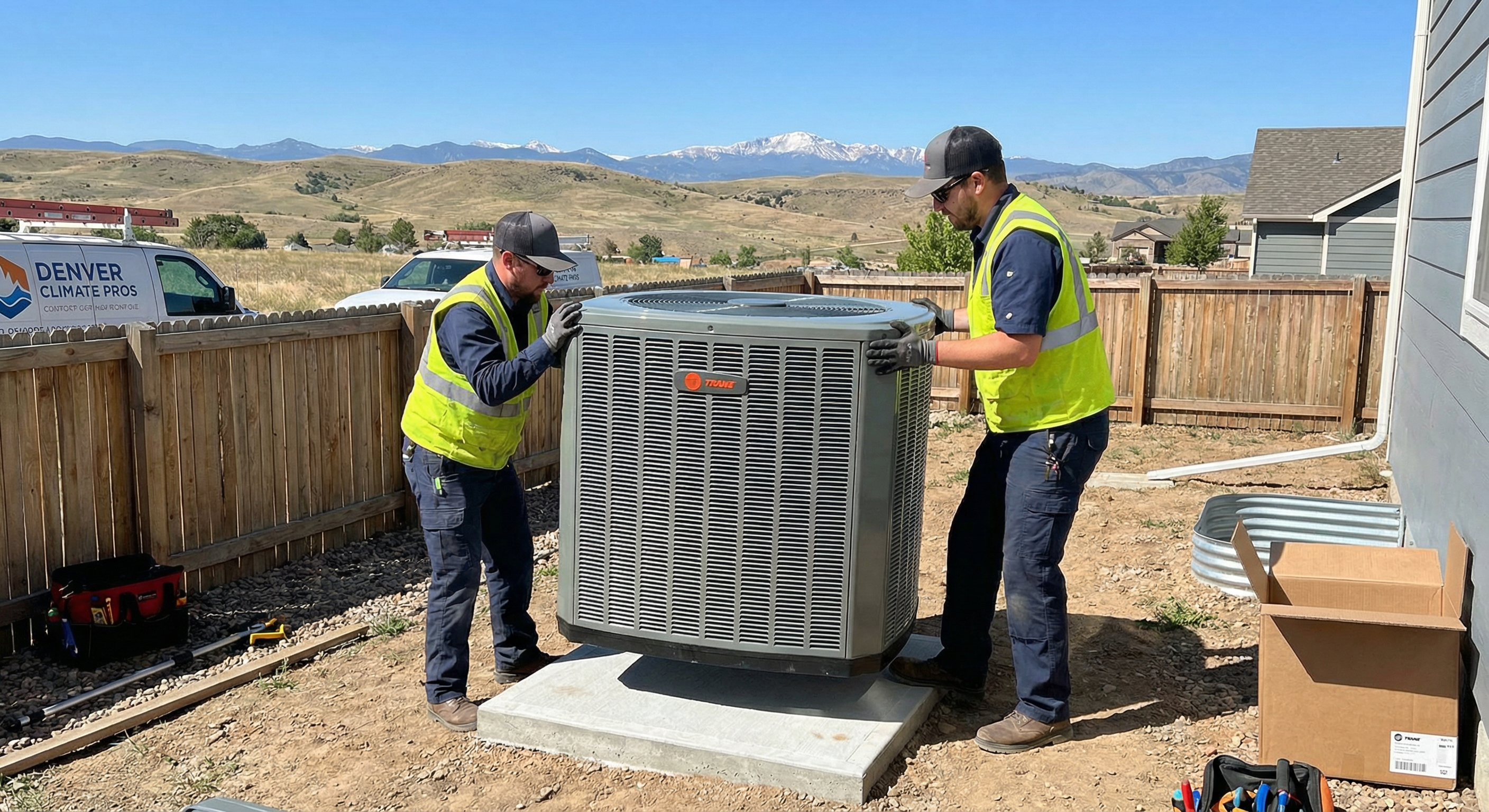
What we typically do outdoors (condenser)
- Disconnect and high-voltage — Safe operation, correct fusing where applicable.
- Contactor, capacitor, wiring — Wear, pitting, swelling, loose lugs (common failure points).
- Compressor and fan — Amperage trends when measured, listening for bearing noise.
- Coil cleaning — Manufacturer-appropriate washing; some micro-channel coils cannot take aggressive chemicals.
- Refrigerant assessment — Per superheat/subcool or company procedure; adjustments only by EPA-certified techs.
- Pad, line set, vibration — Obvious physical damage from weather or animals.
Packaged or rooftop units get the same logical coverage in different layouts.
What a tune-up is not
- It is not a guarantee you will never need a repair—parts still age.
- It is not a substitute for duct leakage testing or full Manual J if you are solving comfort complaints in specific rooms.
- It should not be a bait-and-switch: you deserve a clear explanation of findings vs recommendations.
How often?
Once per cooling season is standard for Colorado residential systems. Homes with pets, remodeling, or cottonwood-heavy yards may benefit from mid-season filter checks and earlier condenser attention.
Ready to Fix Your HVAC Issue?
Call Blue Collar Heating & Air for expert service in the Denver Metro area. Same-day appointments available.
FAQ
How long does an AC tune-up take?
Often 45–90 minutes, more if coil cleaning or repairs are needed.
Do I need a tune-up on a new system?
Yes—warranty terms from many manufacturers expect documented maintenance; it also establishes a performance baseline.
Will you top off refrigerant “just because”?
No. Charge corrections follow measurement and leak ethics; we do not guess with refrigerant.
Is coil cleaning always included?
Many companies include a standard wash when safe; heavily fouled coils may need a separate scope and price.
What should I do before you arrive?
Clear 6 feet around the outdoor unit, ensure attic/closet access, and know your thermostat model.
Blue Collar Heating & Air performs AC tune-ups across the Denver metro. Call (303) 351-1667 to schedule.